Baška International Guitar Festival 2026: Guitars, Encounters and Three Special Nights
Another edition of the BIG Festival is behind us, and this year’s three days could hardly be reduced to a simple list of concerts and performers. From the opening night, which took on an unexpectedly intimate format due to the weather, through Brazilian rhythms and vibrant jazz at the St. Lucy complex, to the finale on the Old Waterfront, BIG Festival 2026 once again demonstrated what it has become known for over the years: outstanding musicians, diverse musical worlds, and the sense of connection that emerges when performers, audiences and places truly meet.
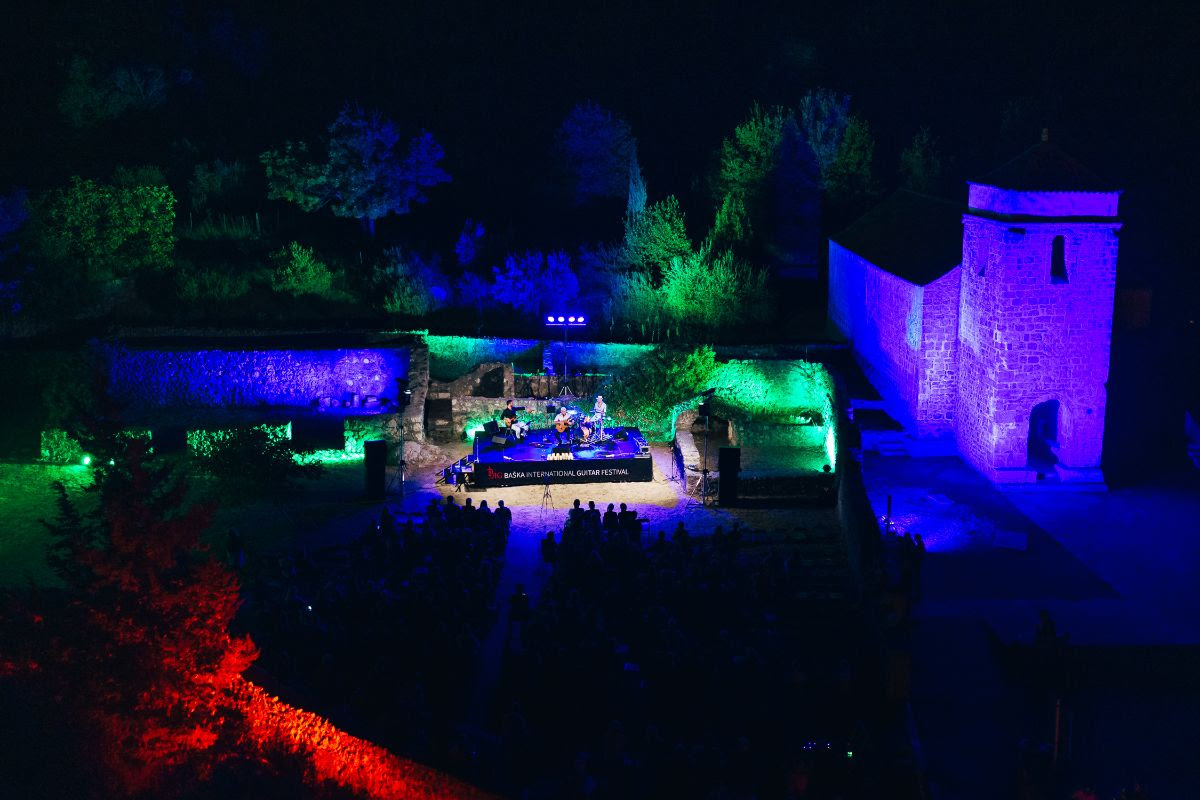
The very first evening showed that a festival programme can sometimes find its own path beyond the original plan. Due to the forecast of rain and thunderstorms, the screening of Django was postponed to the final day, the performance by Jed Becker’s Group was cancelled, while the concert by Viennoise featuring Branko “Bako” Jovanović was moved to St. Lucy’s Church.
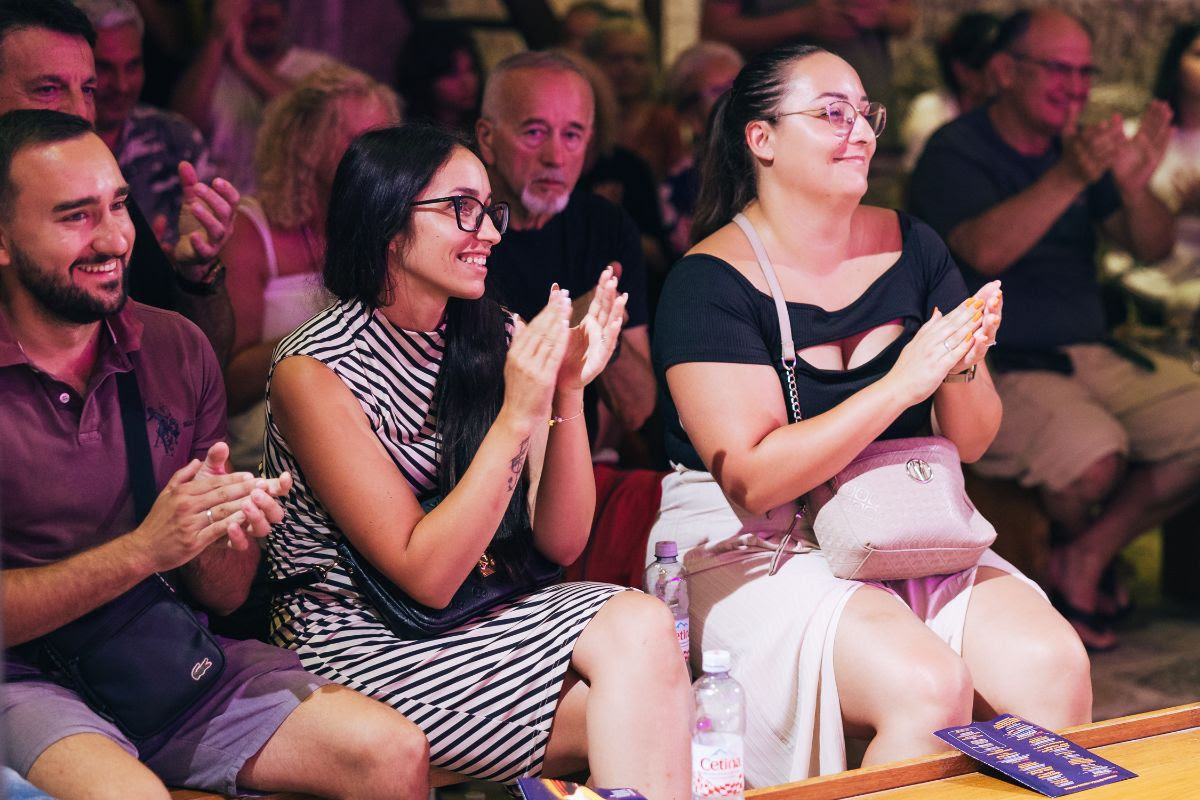
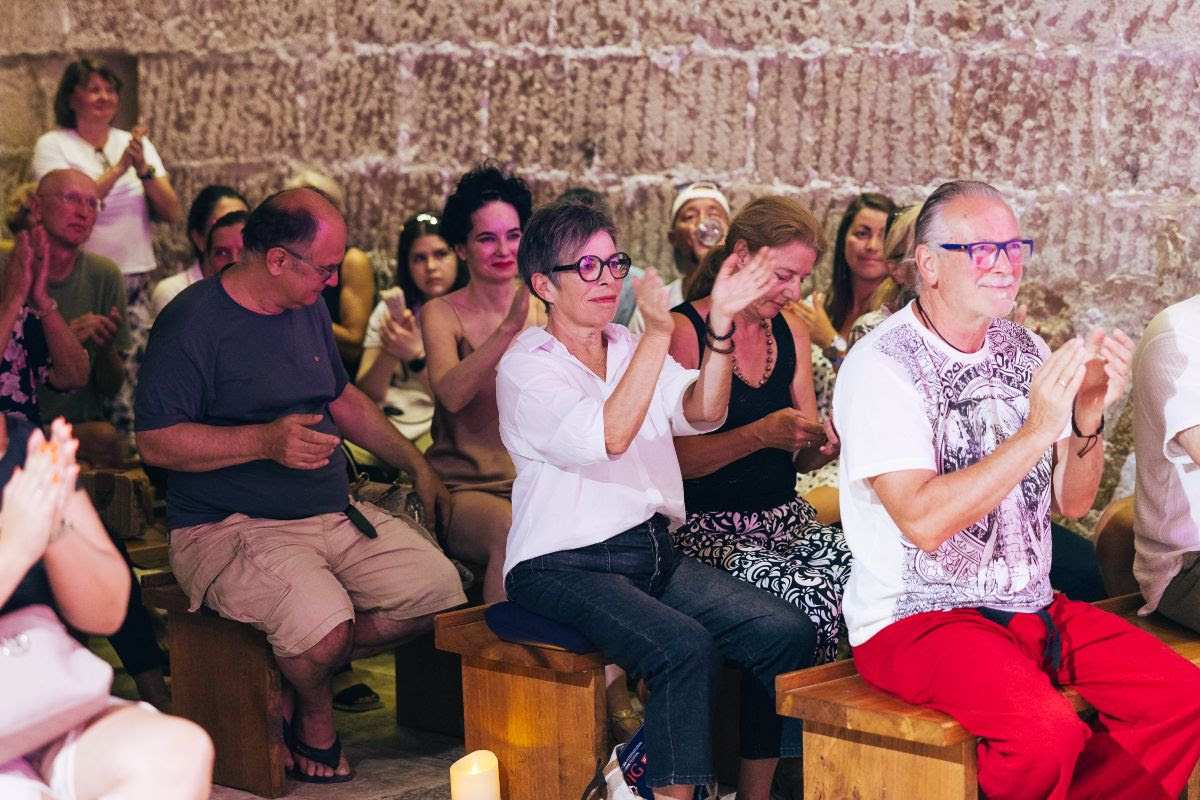
Despite the uncertain forecast, the audience made its way to Jurandvor, and the church soon filled up. Some visitors followed the concert from outside, while the unusual concert setting gave the entire evening a sense of intimacy and focus that is difficult to plan in advance.
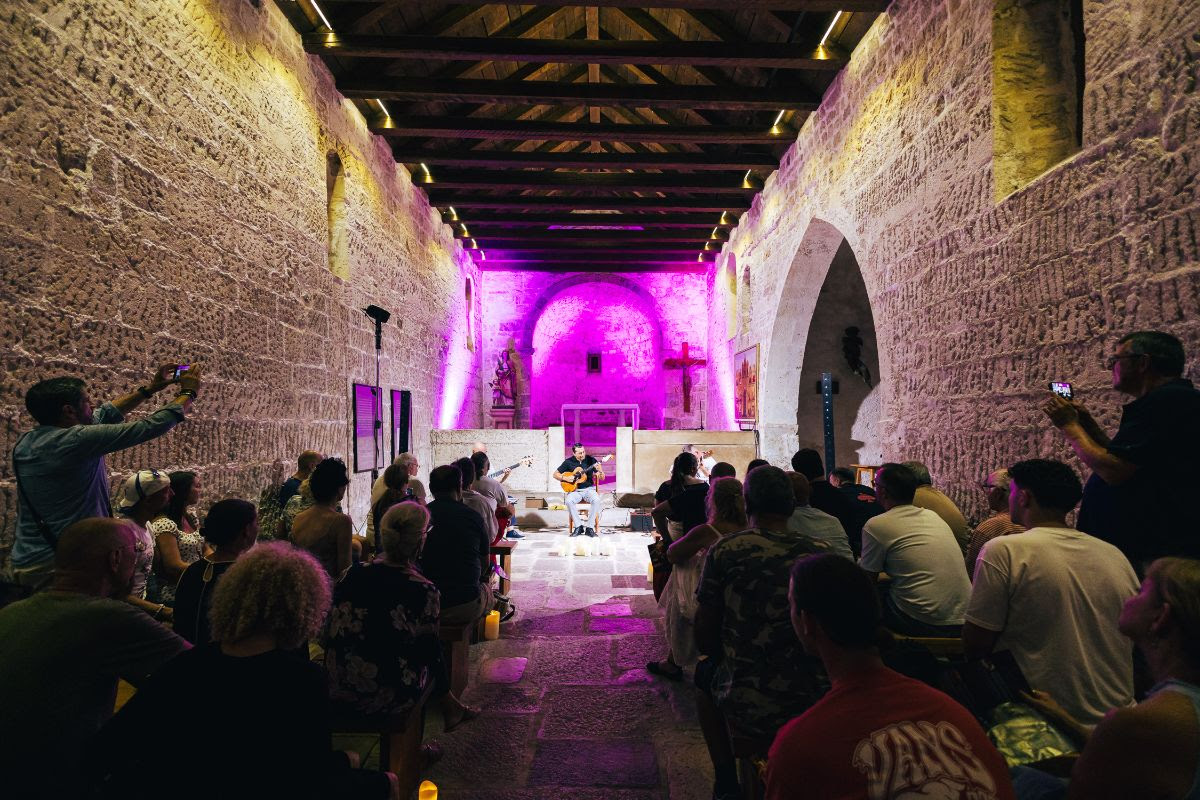
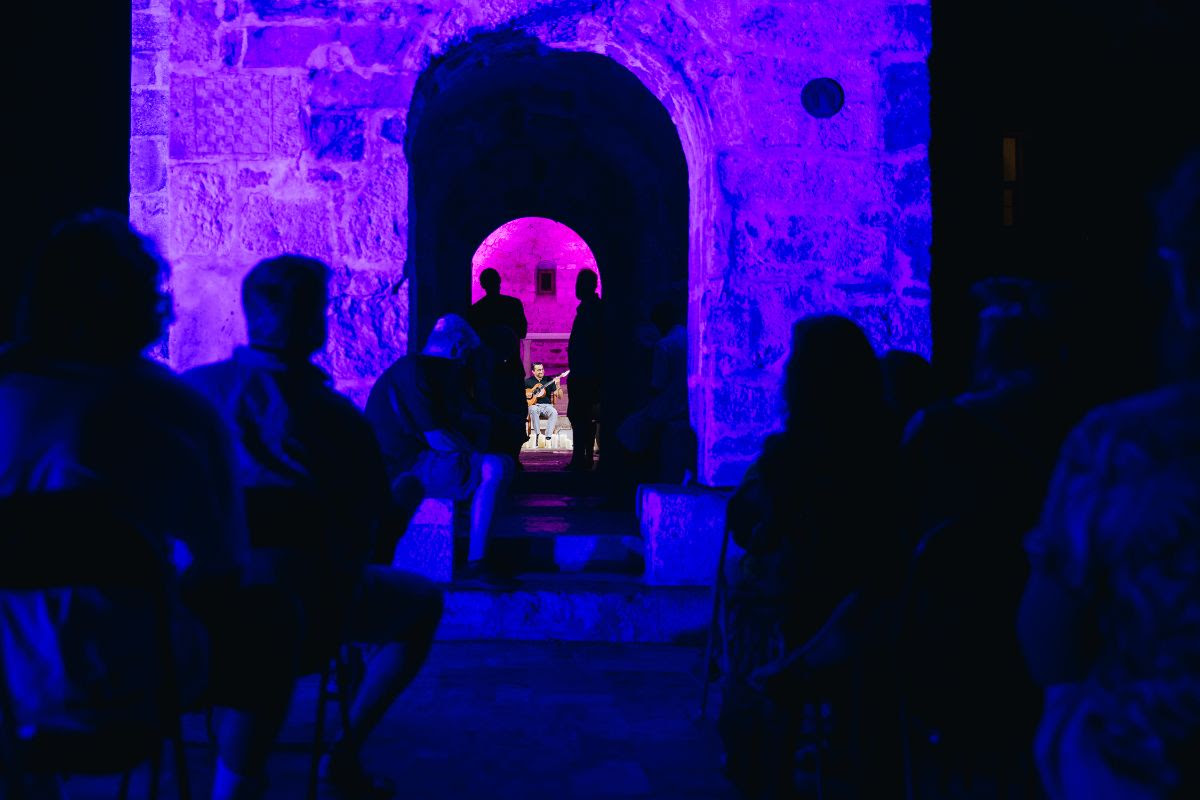
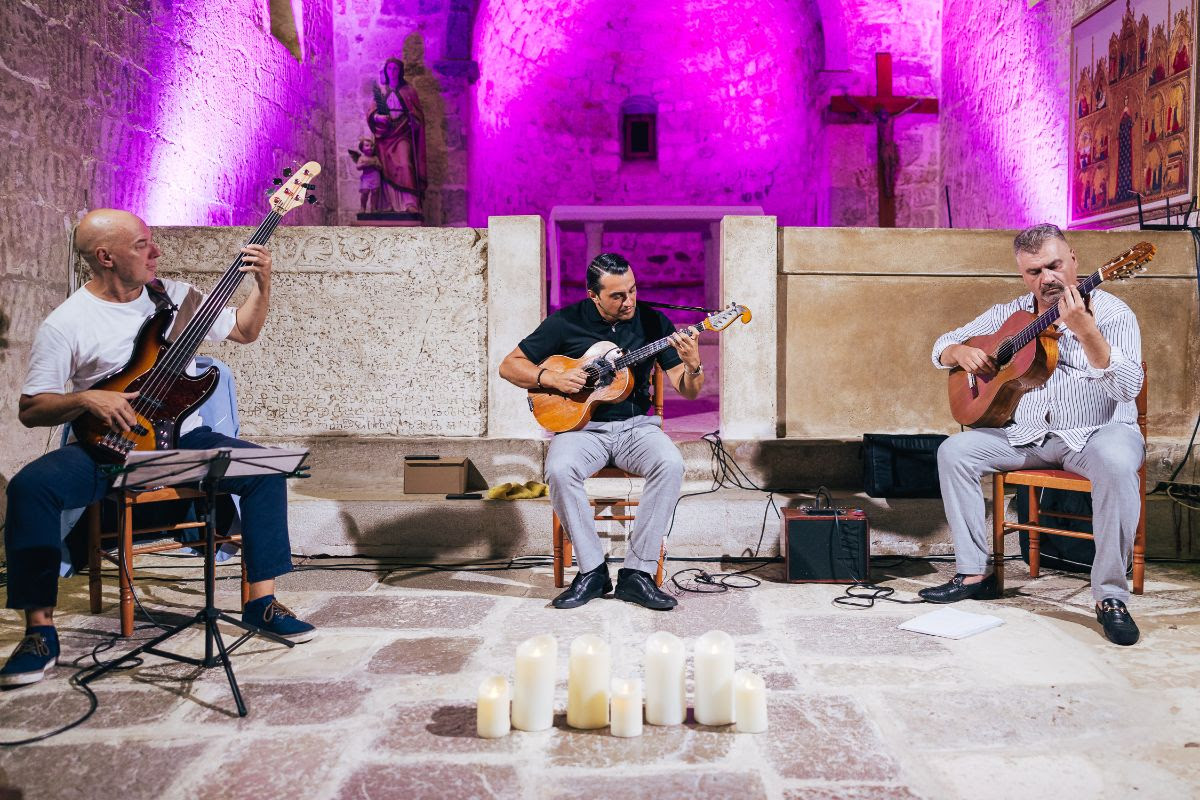
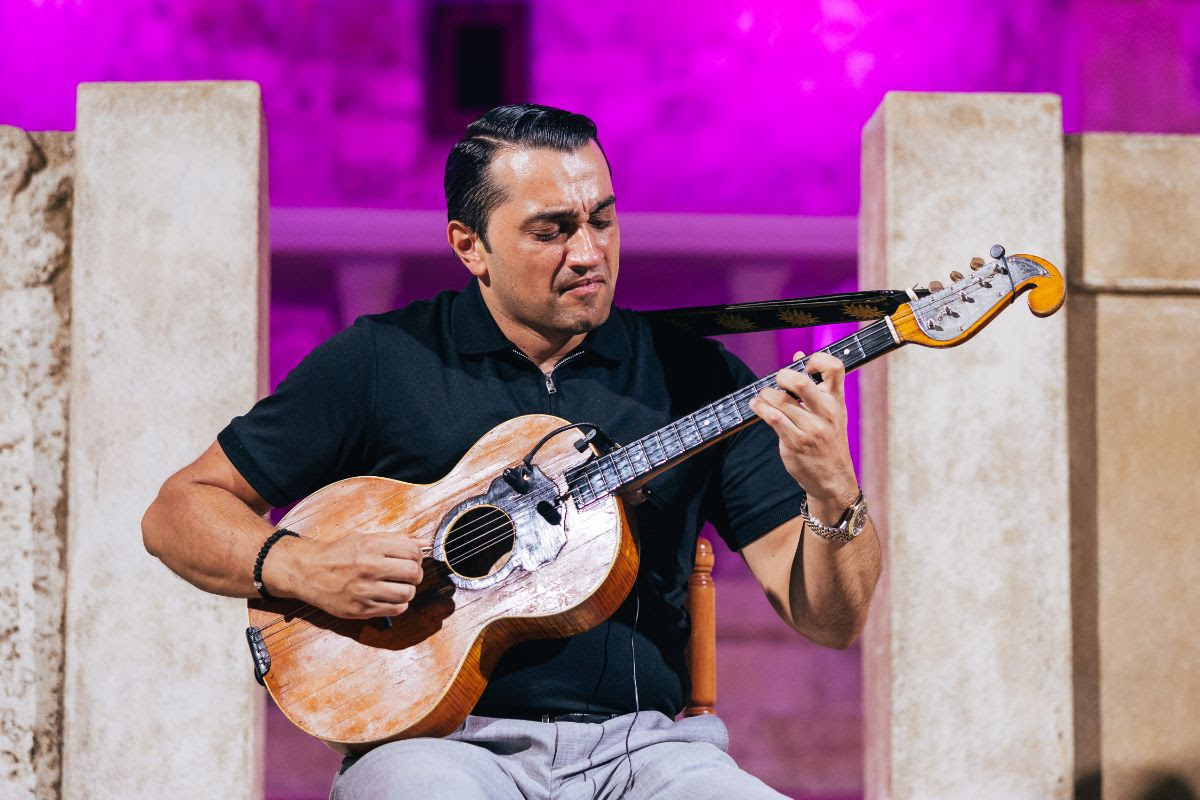
Bako Jovanović showed just how far the tambura can move beyond its expected sound. In the Viennoise Trio, he was joined by Tony Pusztai on guitar and Jovan Torbica on bass, and together they brought different traditions, rhythms and musical influences into a performance that was both virtuosic and remarkably direct. The audience followed the concert with great attention, and the final applause grew into a call for an encore. It was a powerful opening to the festival and an evening that, precisely because of the unexpected circumstances, gained a character that will be remembered for a long time.
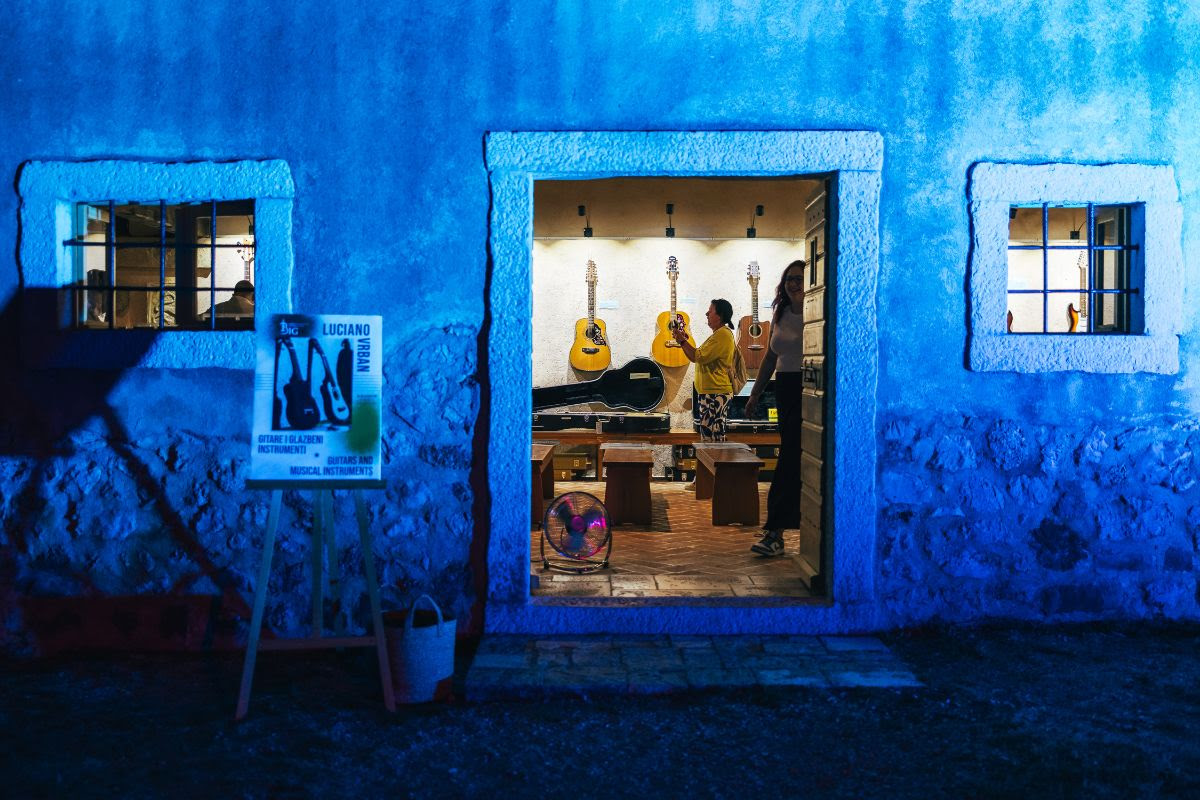
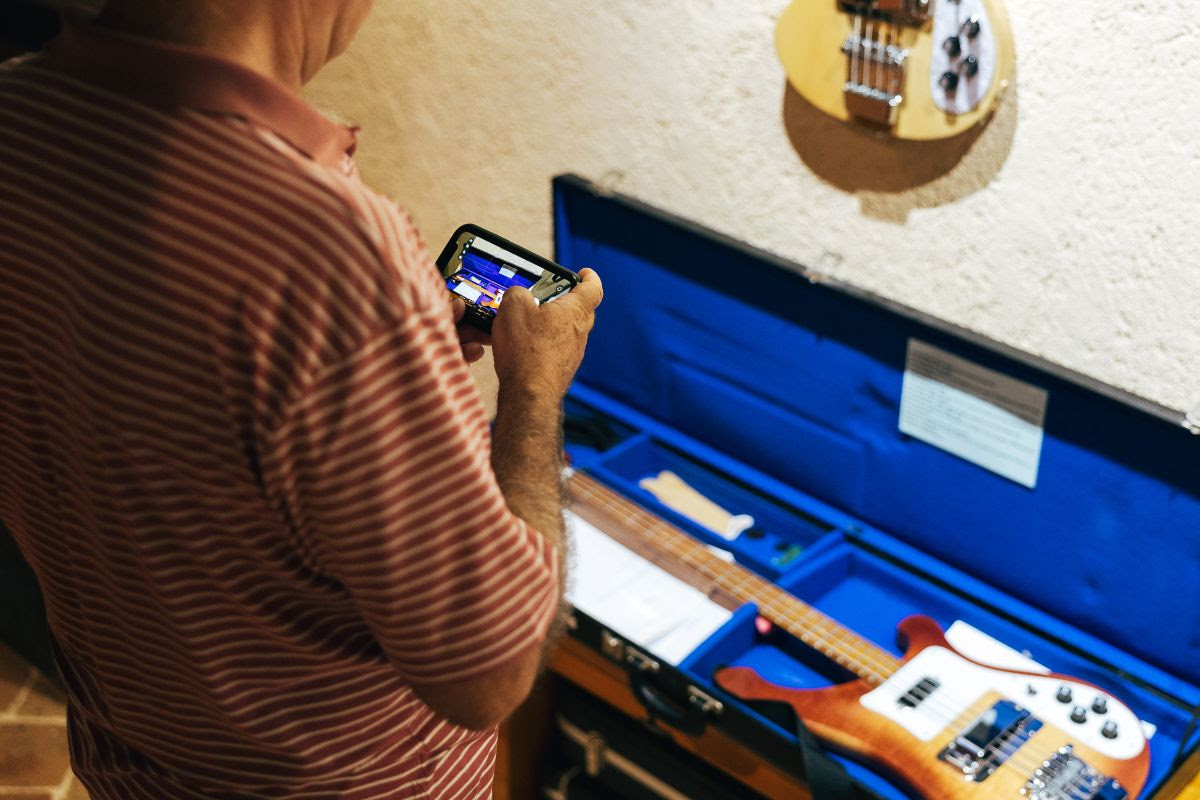
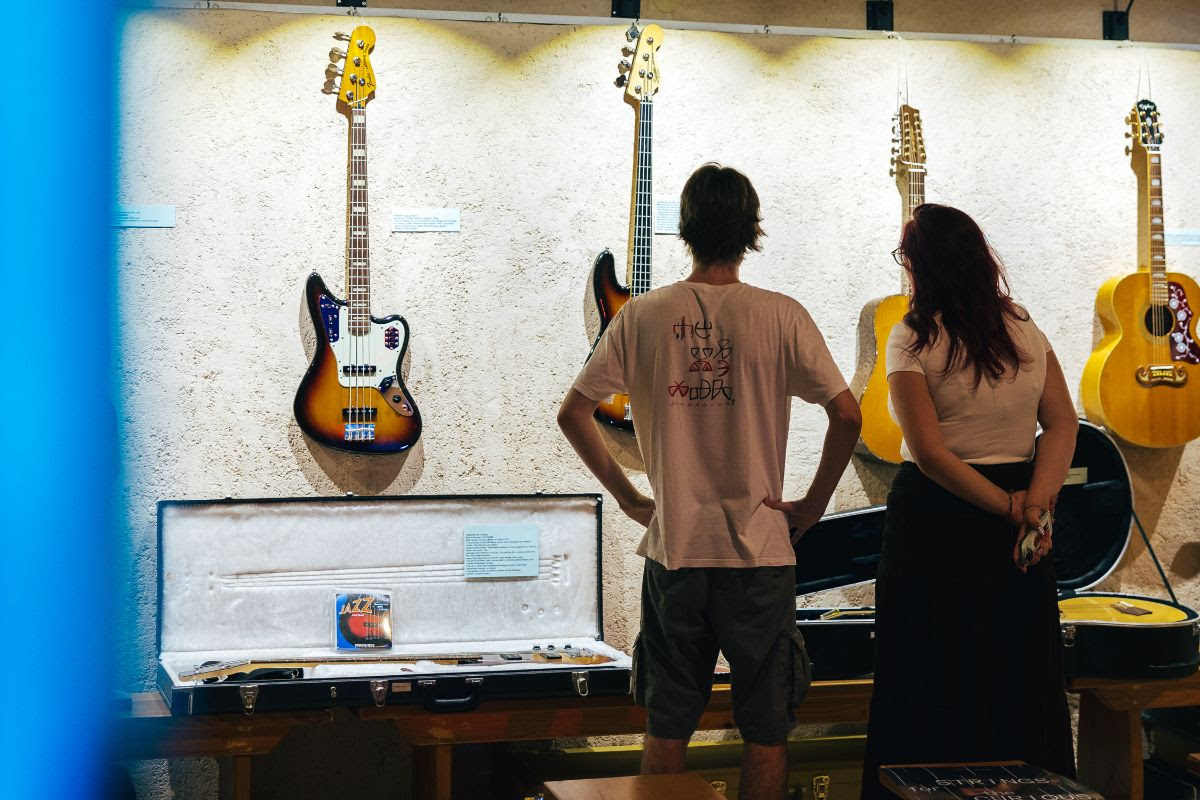
The first two evenings at the St. Lucy complex were about much more than concerts. Visitors could also explore an exhibition of guitars and other musical instruments from the private collection of Luciano Vrban, including instruments with their own concert and studio stories. A special feature of the exhibition was the opportunity for visitors not only to see some of the instruments, but also to try them out.
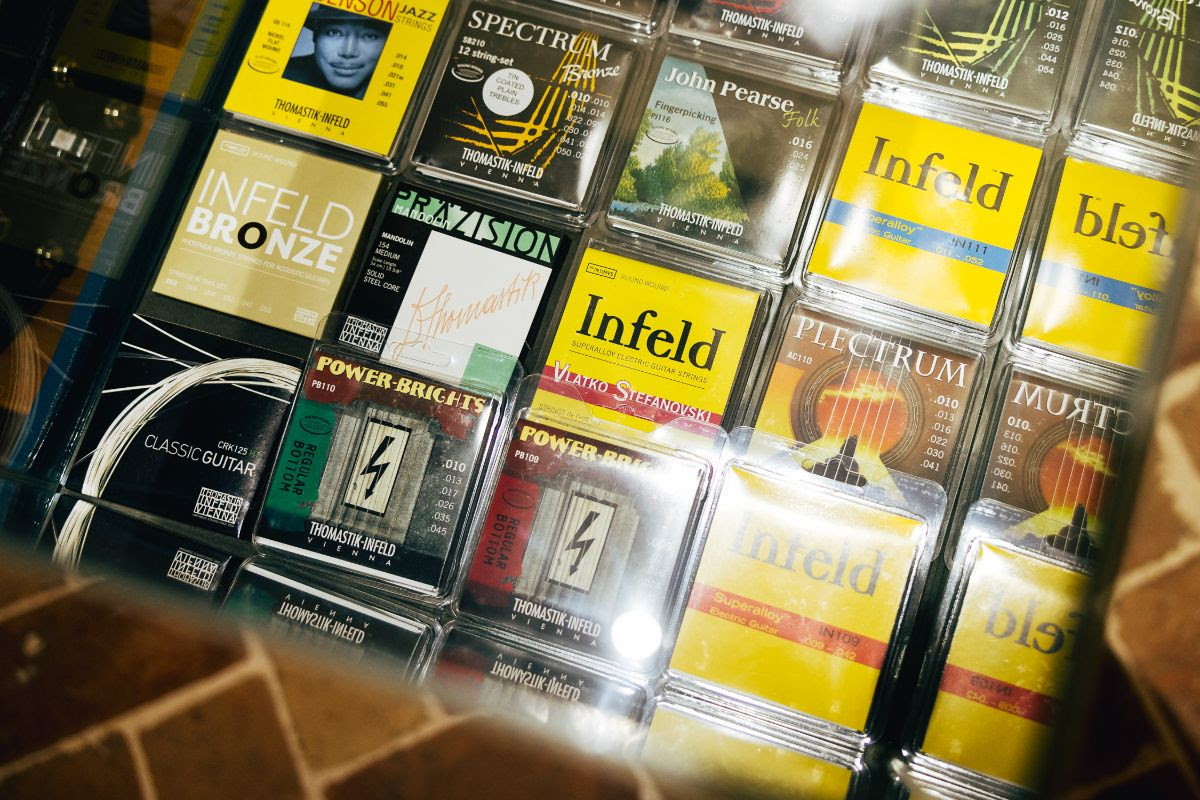
The exhibition was accompanied by a presentation of the renowned Austrian manufacturer Thomastik-Infeld. Guitars, strings and sound were therefore not merely topics of conversation: instruments were picked up, played and compared, adding another layer of energy to the festival programme.
Another dimension was added by the audiovisual presentation of Damir Halilić Hal’s album 6&12 (Bonus 9). The videos accompanying his original compositions brought the audience closer to a project in which sound, image, instrument and story complement one another, once again confirming that BIG reaches beyond the boundaries of a traditional concert festival.
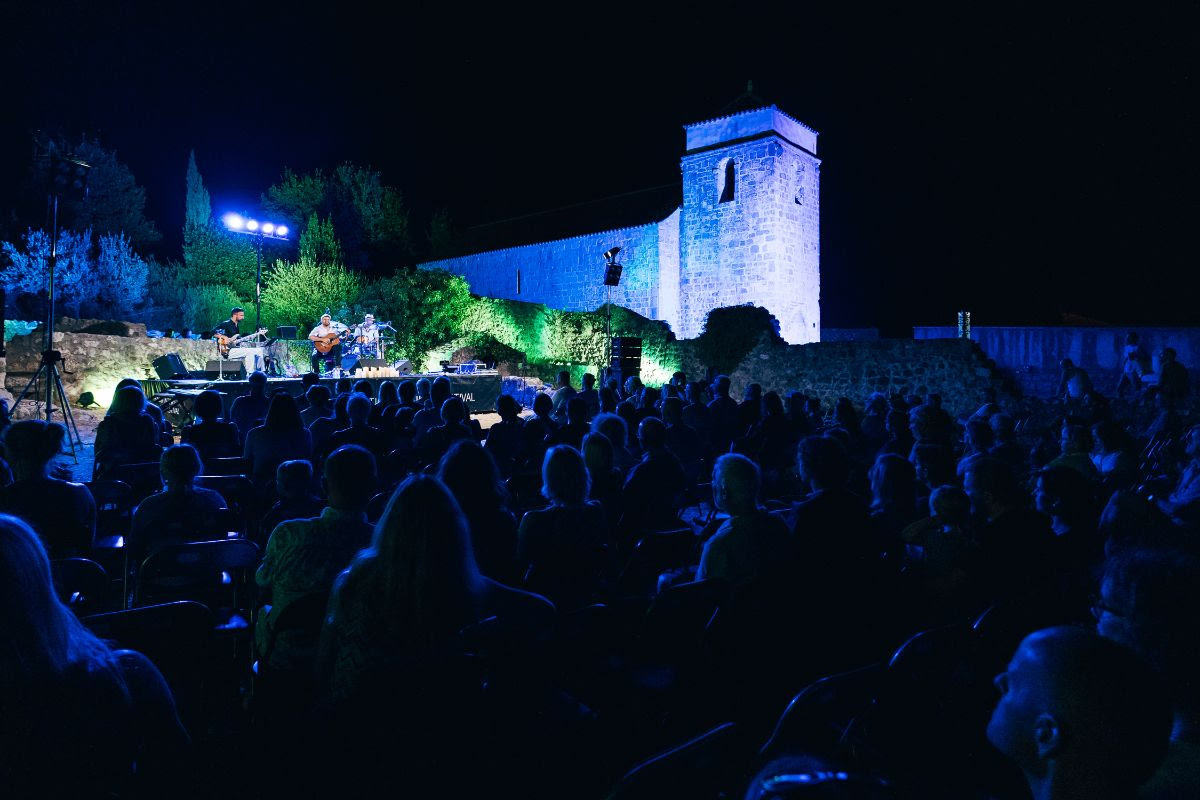
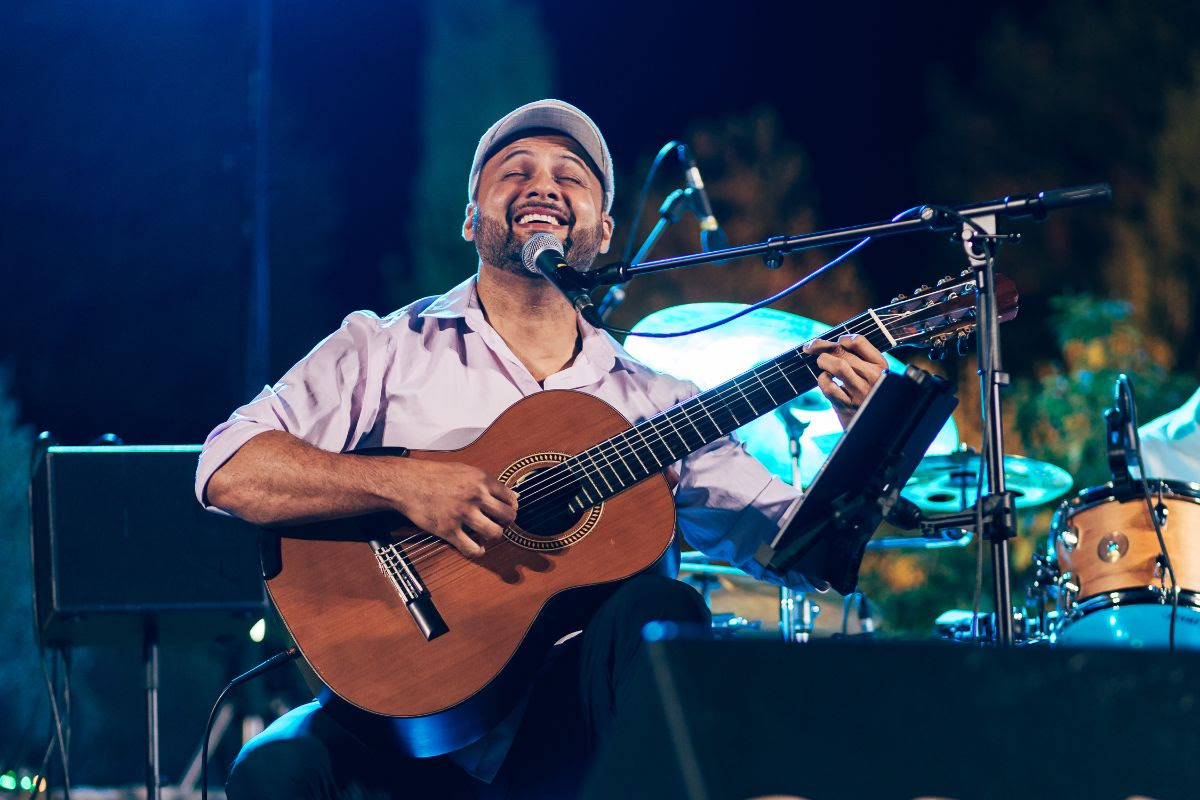
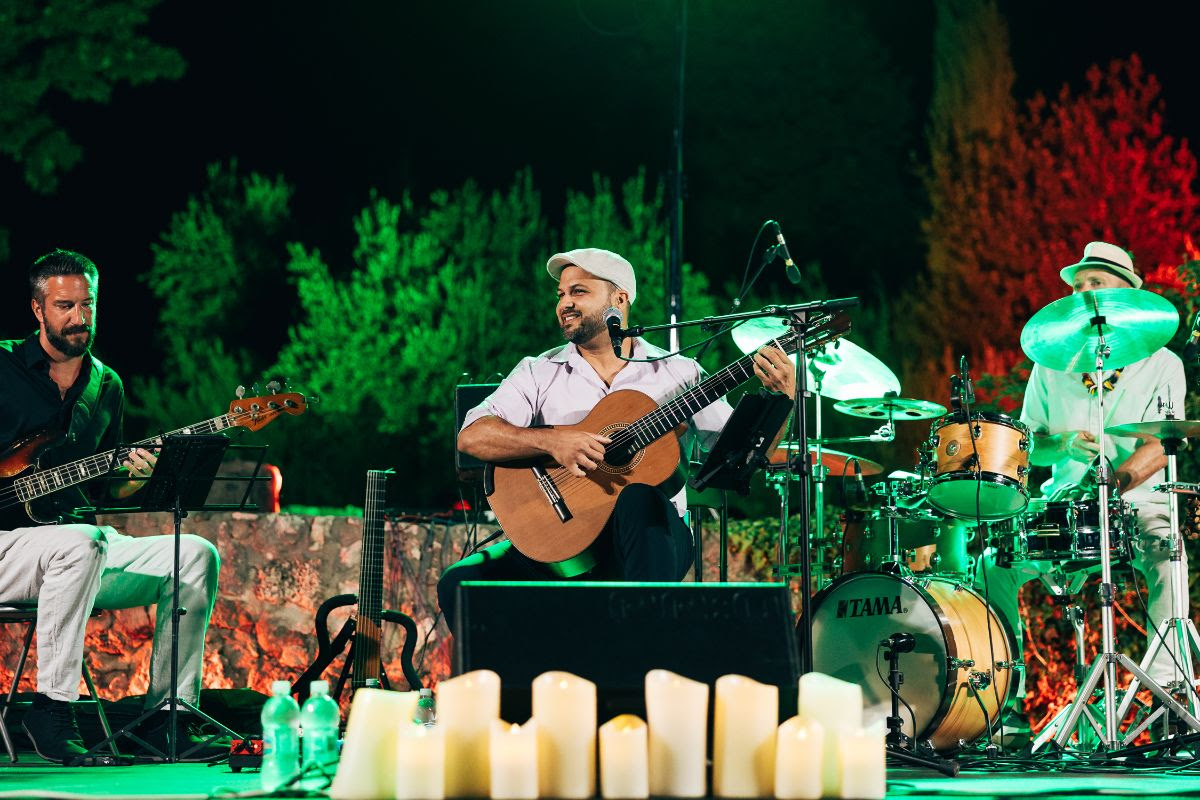
After the first evening indoors, the second day brought the summer festival atmosphere back to the St. Lucy complex. The programme on the upper meadow was opened by Brazilian guitarist, singer and composer Marco Antonio da Costa, accompanied by drummer Leonardo Barbosa and bassist Zvonimir Šestak.
Da Costa sang in Portuguese and performed songs that are personally meaningful to him, combining Brazilian rhythms, jazz and sophisticated guitar technique. His warm, melodic performance naturally suited the open-air setting, while the ensemble left plenty of room for rhythm, improvisation and musical interaction.
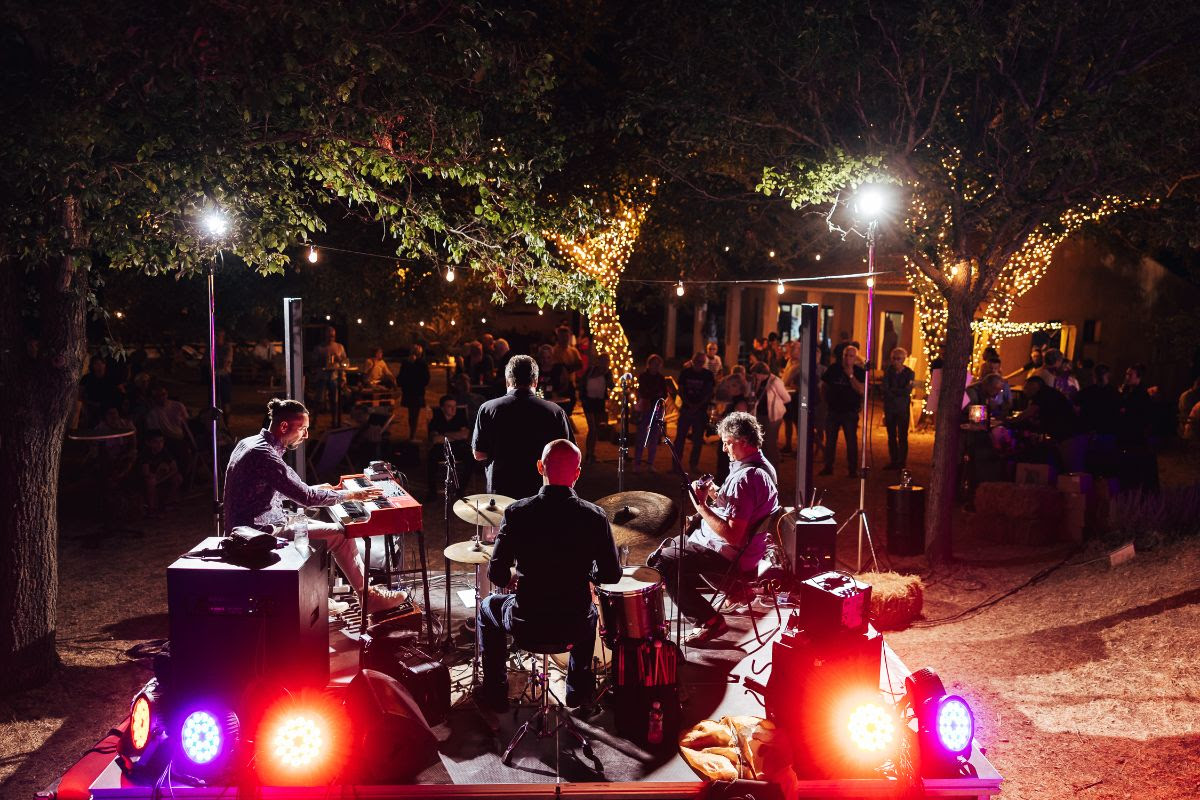
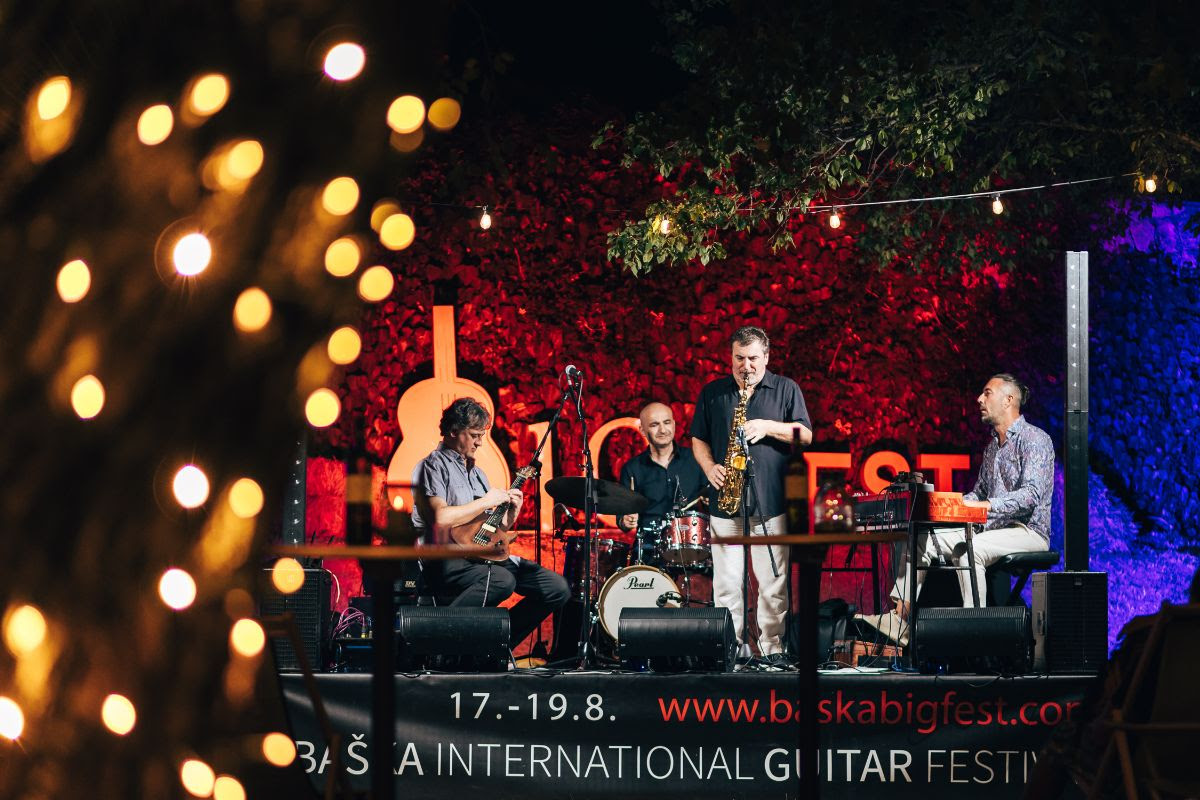
After Brazil, both the setting and the musical energy changed. The audience moved to another part of the complex, where Darko Jurković Charlie and his quartet took the stage, joined by Denis Razumović Razz, Karlo Lovrić and Rajko Ergić.
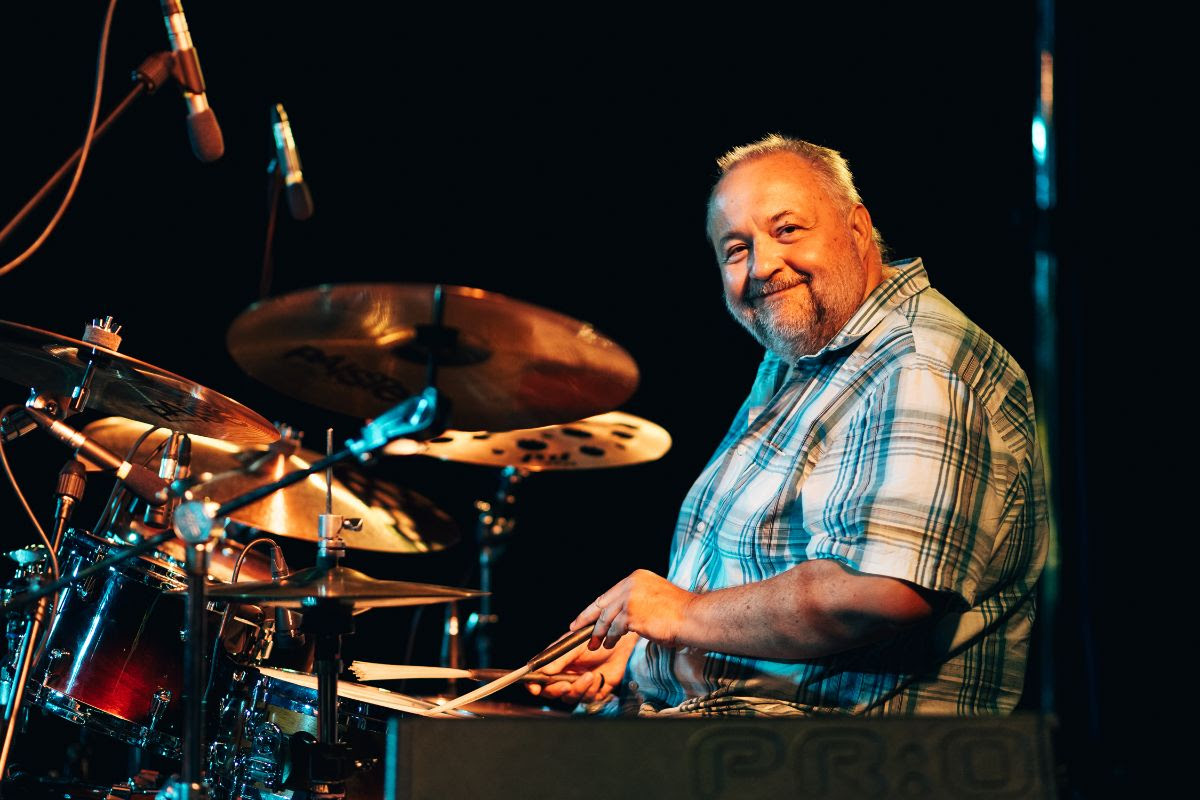
Their performance brought dynamic jazz, plenty of improvisation and the kind of interaction between experienced musicians that makes a live composition never sound exactly the same twice. Charlie’s distinctive guitar style, together with saxophone, electric organ and drums, completely transformed the tone of the second part of the evening and showed just how differently two concert stages within the same complex can sound.
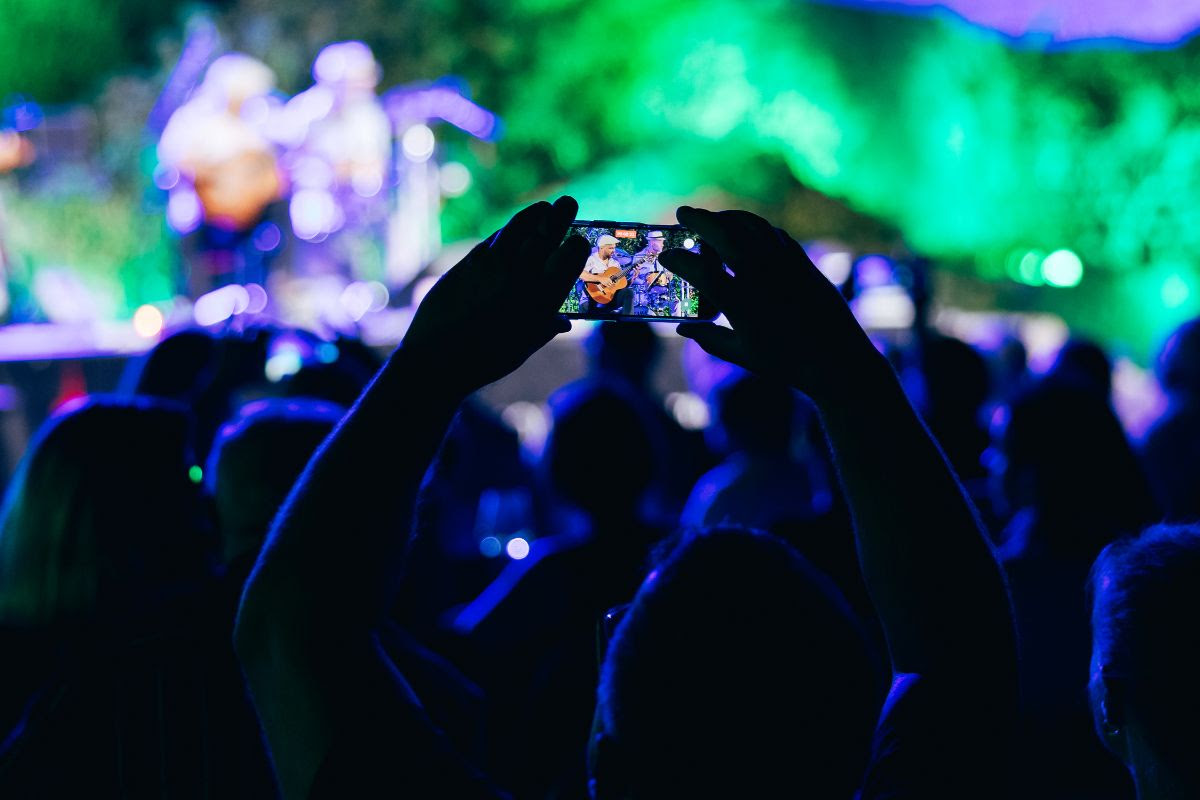
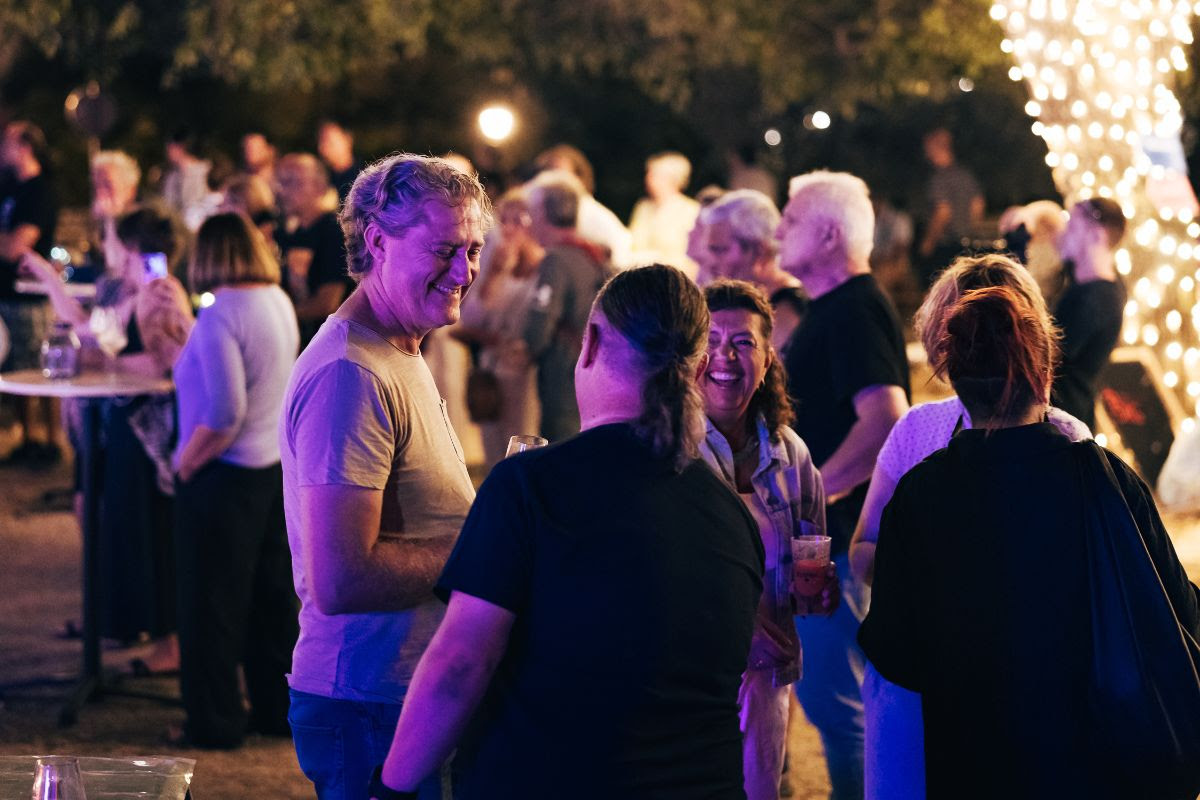
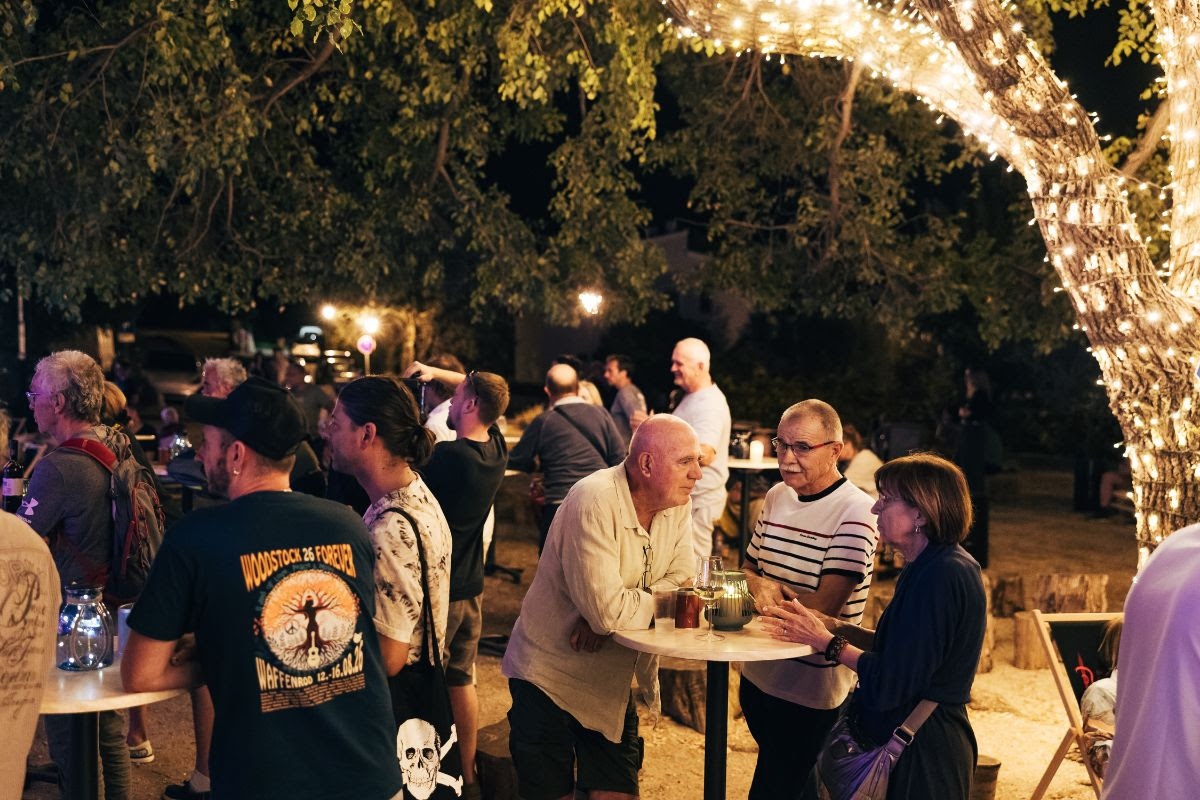
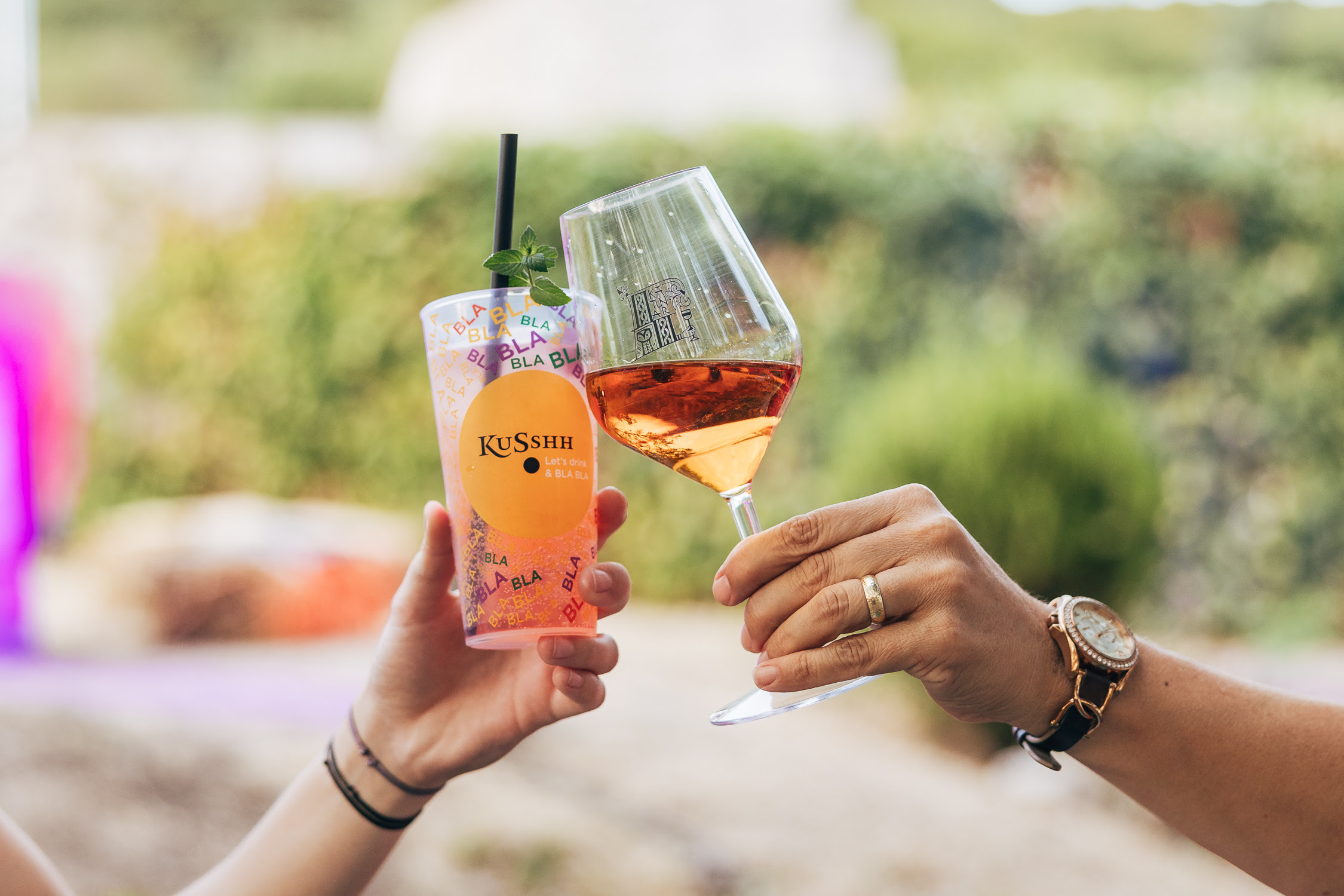
That evening perhaps best demonstrated that BIG is not designed as a series of performances between which the audience simply waits for the next concert. Visitors stayed at the complex, explored the exhibition, talked and socialised, while KuSshh Bar and Katunar Estate Winery, with their cocktails, island drinks and wines, naturally became part of the rhythm of a long August evening. The music changed, the audience moved from one meadow to another, and the entire space came alive alongside the programme.
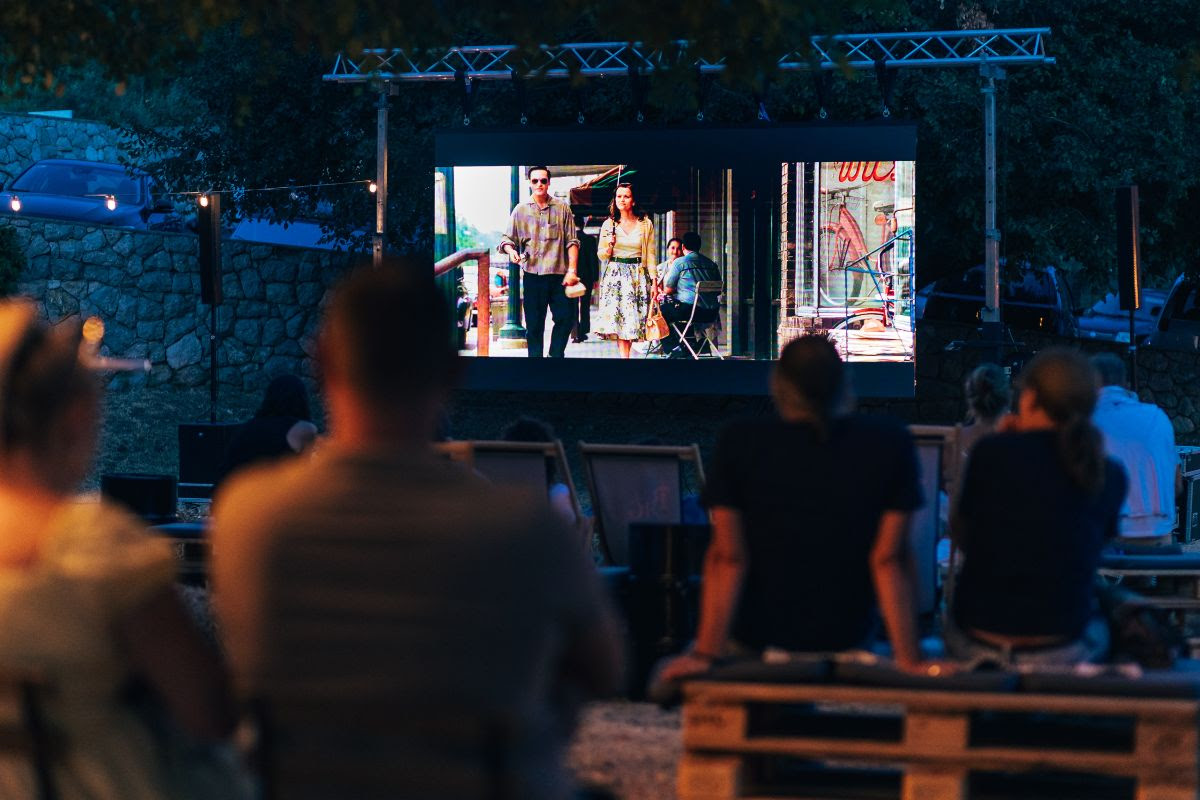
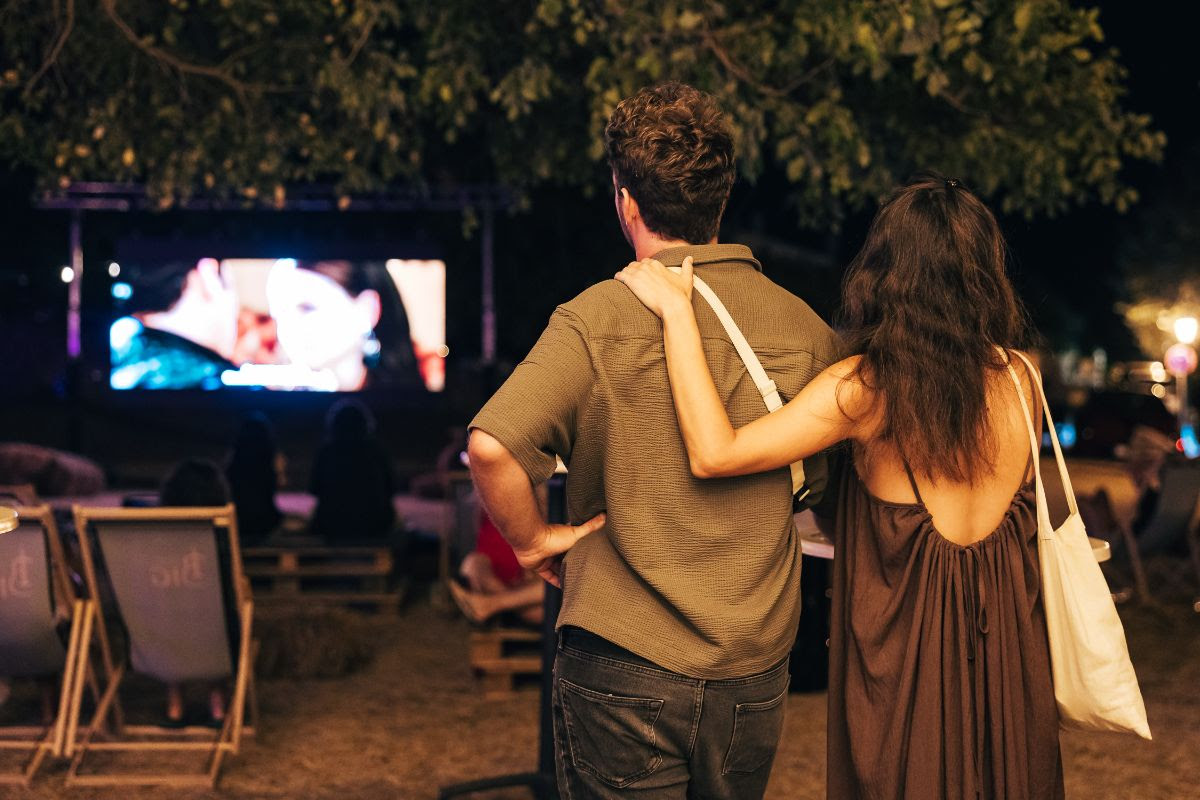
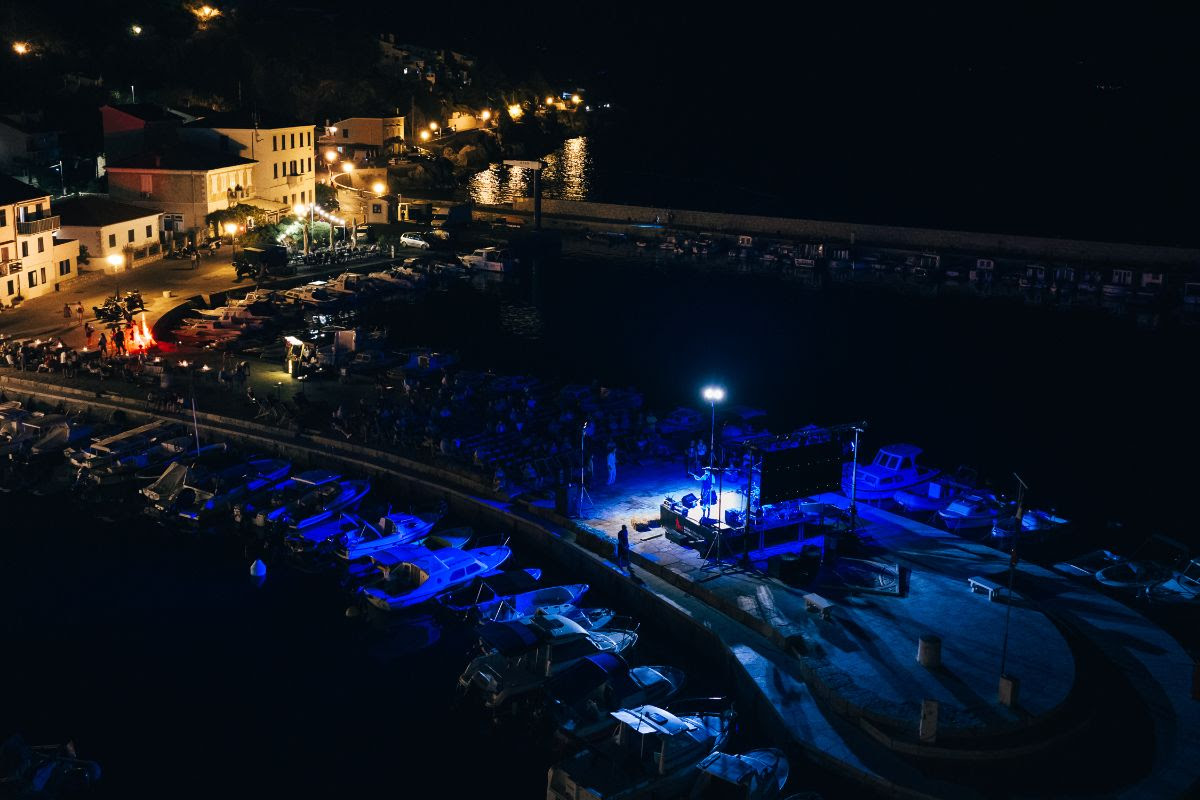
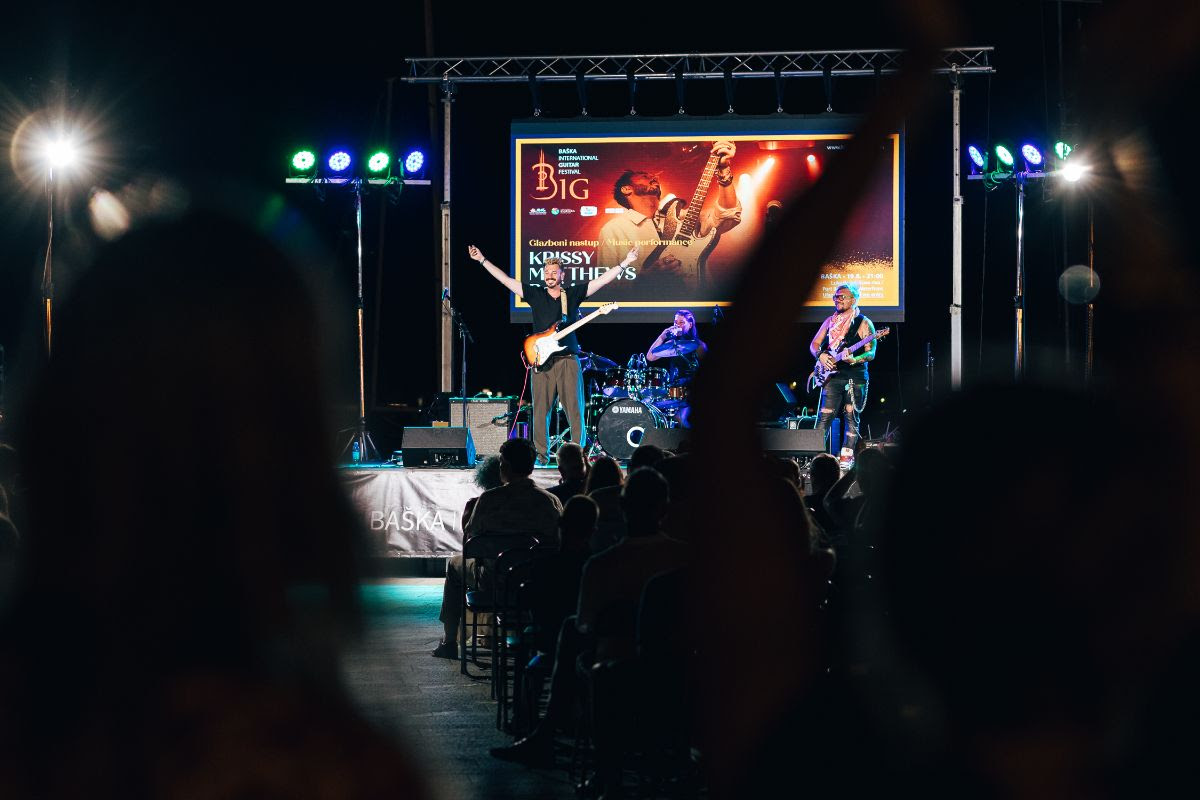
Film has already become a recognisable part of the BIG Festival programme, and the second evening featured ** Walk the Line, the story of Johnny Cash**, while the weather-delayed Django found its place in the programme of the final evening on the Old Waterfront. On 19 August, BIG moved from Jurandvor directly into the heart of Baška.
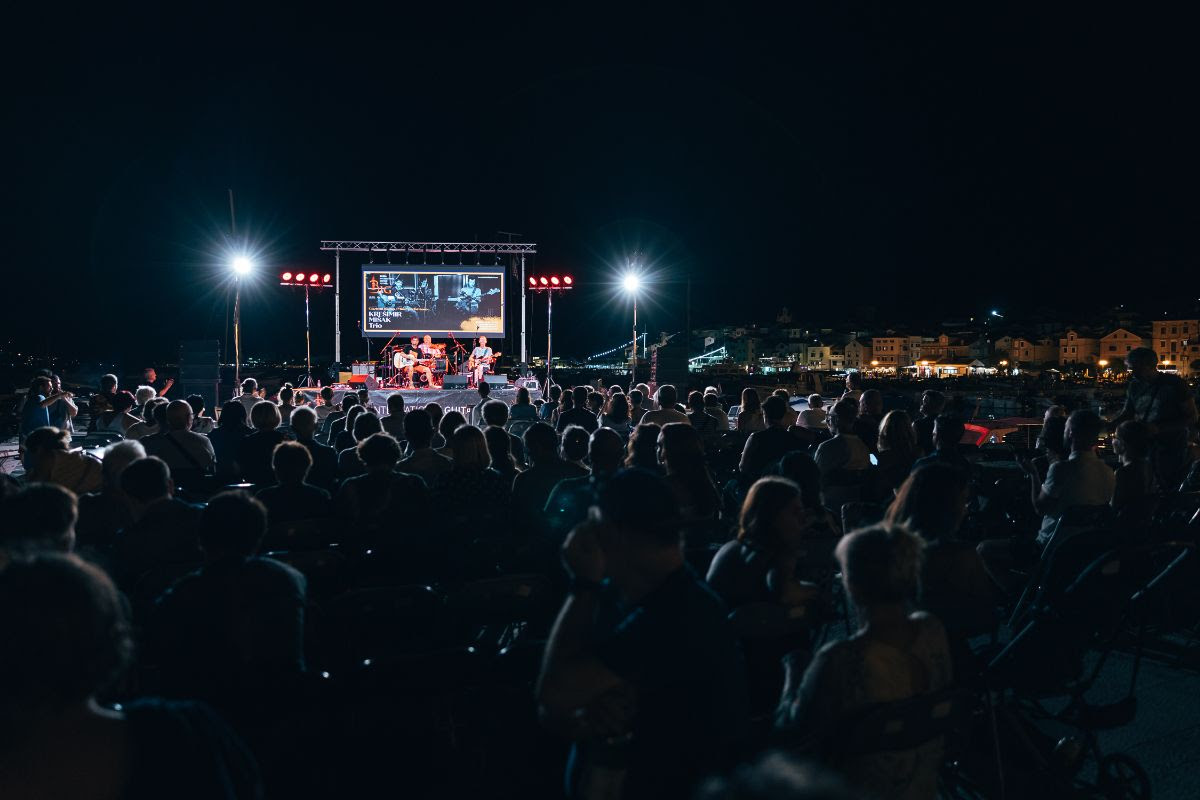
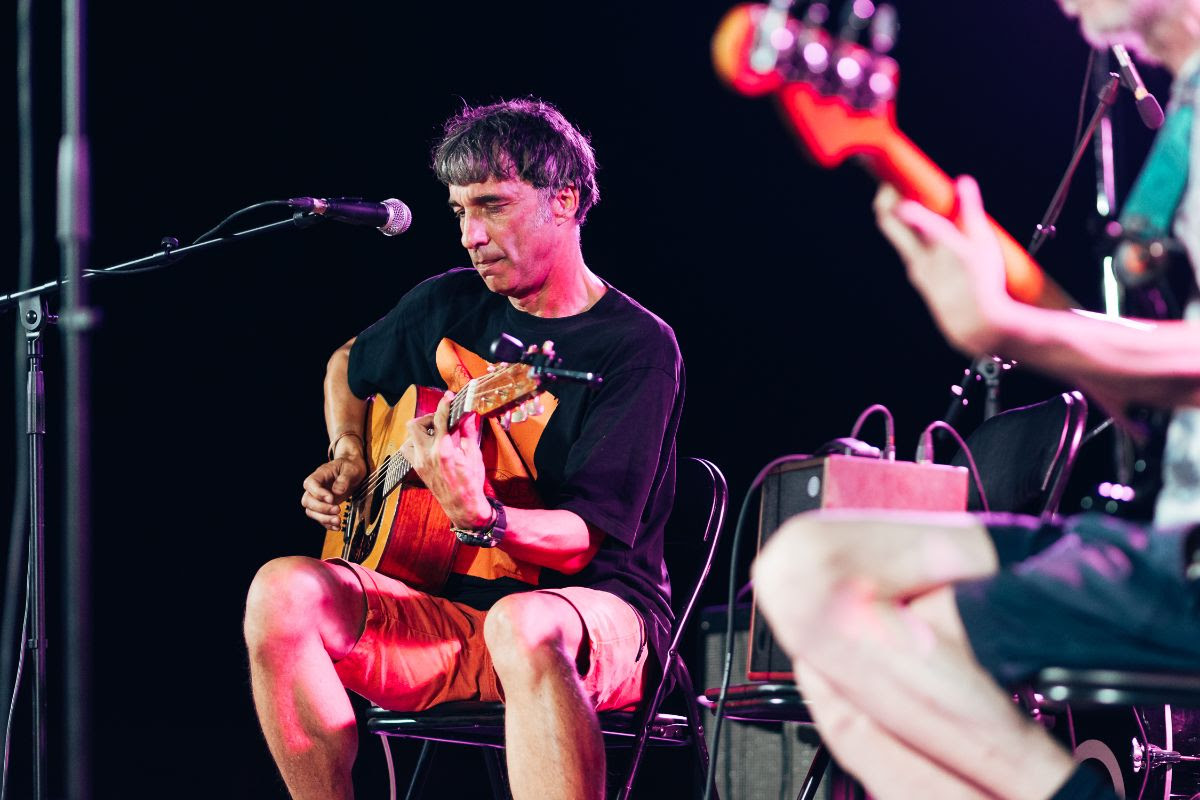
The concert programme on the final evening was opened by Krešimir Mišak Trio. With his fingerstyle and fingerpicking approach to well-known compositions, Mišak gave them a different character, demonstrating how melody, rhythm and accompaniment can be built simultaneously on a single guitar. It was a calmer, carefully crafted introduction to the evening before the finale took things in a completely different direction.
And then the Old Waterfront changed its rhythm..
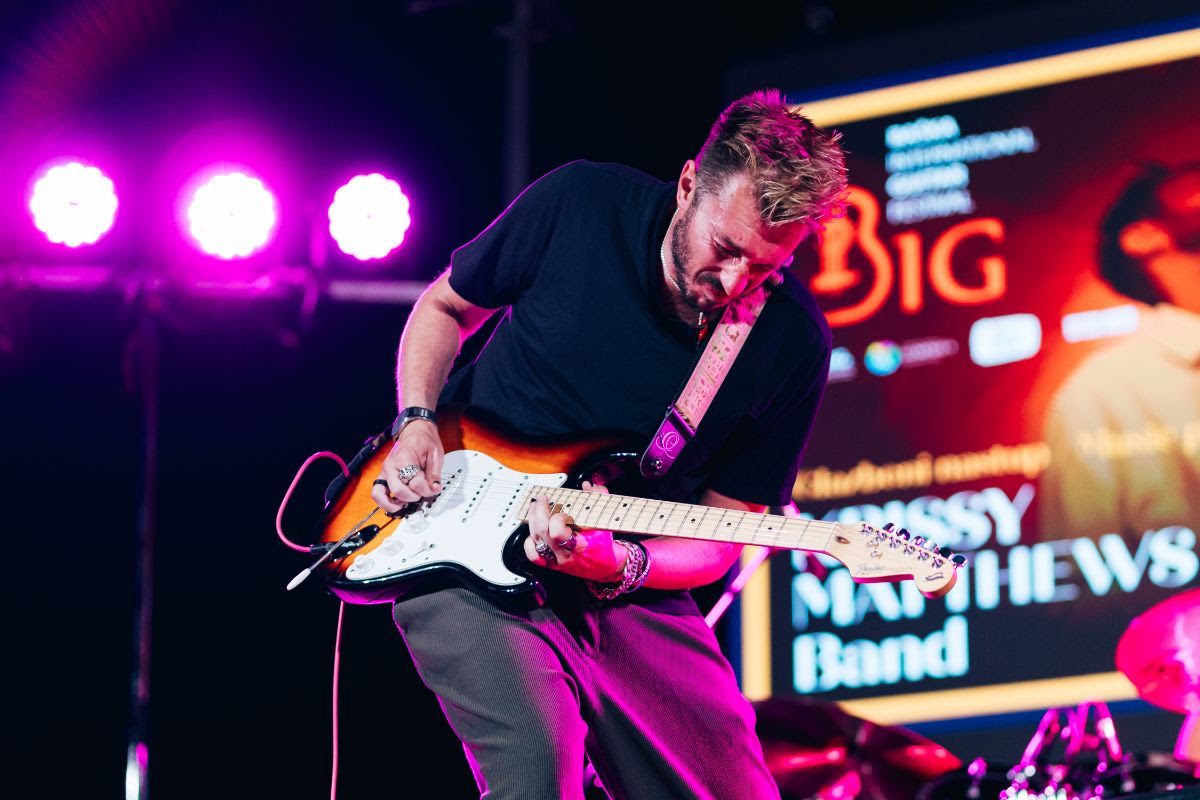
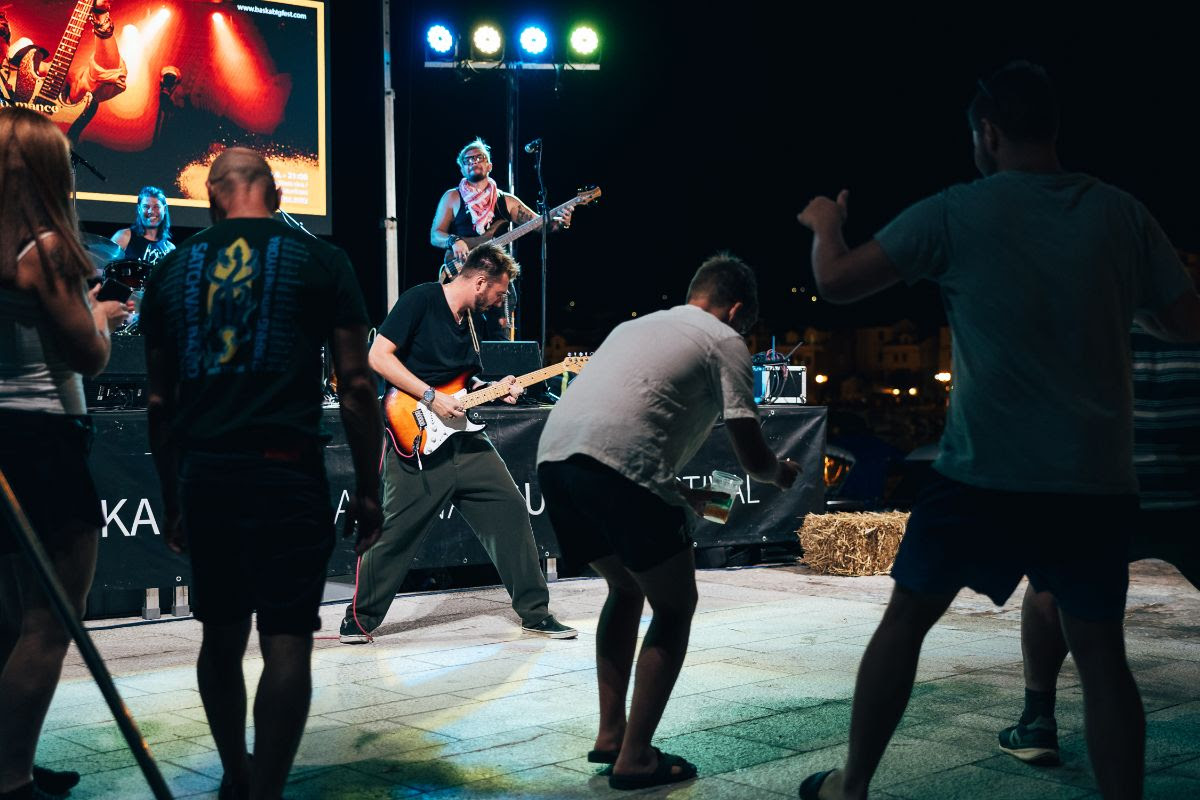
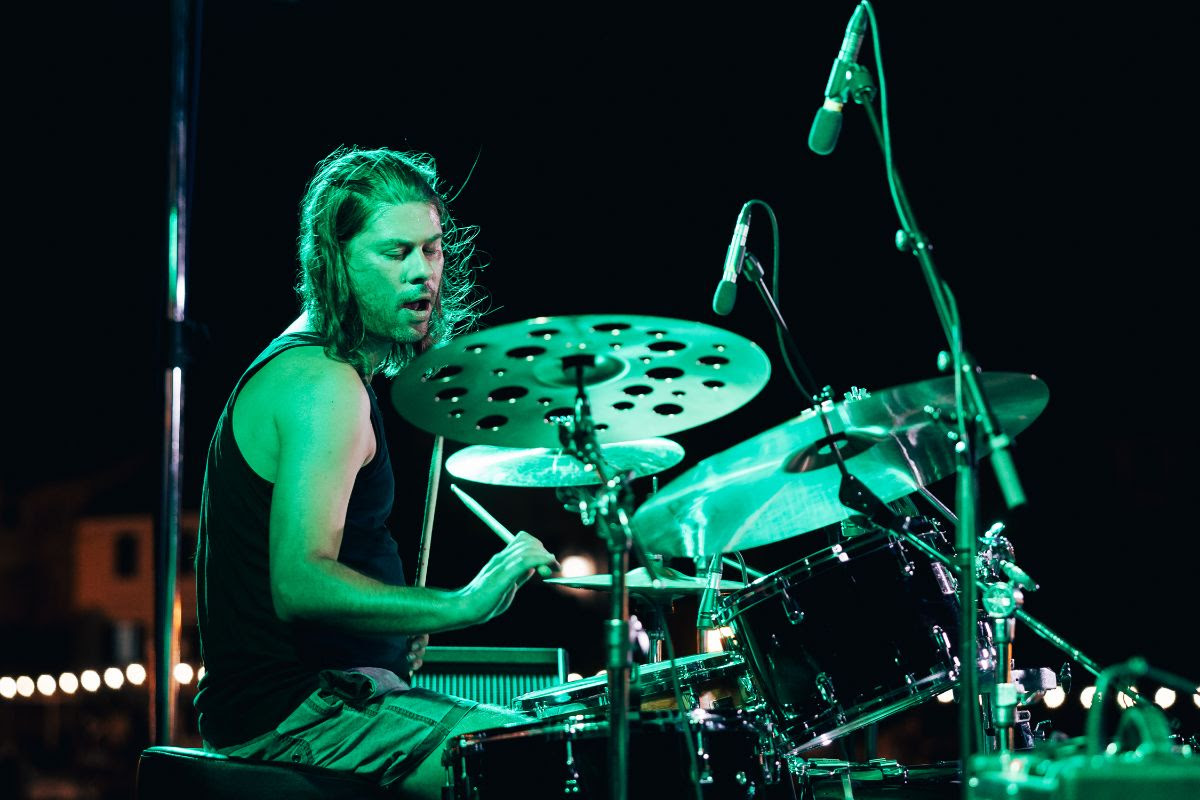
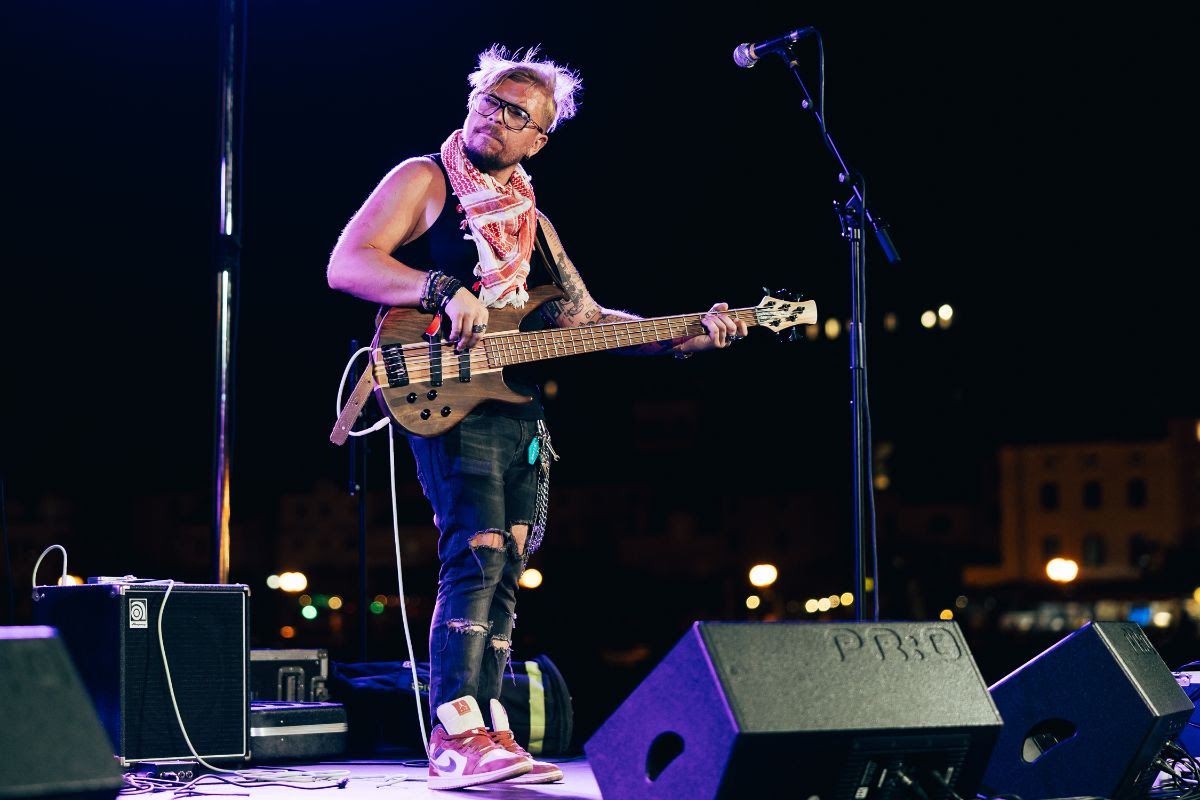
Krissy Matthews Band brought exactly the kind of energy blues-rock demands: powerful playing, direct contact with the audience and a concert with very little distance between the stage and the people in front of it. Matthews quickly established a connection with the crowd, spoke with the audience, openly expressed his enthusiasm for Baška and the location, and invited everyone to move closer, dance and lose themselves in the music.
Virtuosic guitar passages, the band’s solid rhythm and Matthews’ powerful stage presence gave the final concert a strong closing momentum, bringing to a close three days that changed from one evening to the next without ever losing their character.
From the intimate concert at St. Lucy’s Church to the open and energetic finale on the Old Waterfront, this year’s BIG Festival moved through a series of completely different moods. Alongside the concerts and film screenings, the exhibition of Luciano Vrban’s instruments, Thomastik-Infeld, Hal’s audiovisual presentation, and the social atmosphere around KuSshh and Katunar gave the programme additional depth — and offered plenty of reasons to come to BIG for more than just a single performer.
BIG Festival 2026 leaves behind three very different evenings, plenty of great music and a series of moments that worked best precisely where they belonged: live, in direct contact between musicians, audiences and places.
And perhaps that is the best reason to meet again next August in Jurandvor and Baška.